
Youth Substance Use Prevention and Domestic Violence Awareness Month
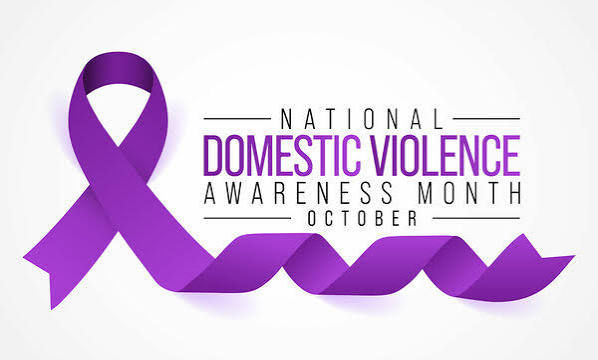
October is Domestic Violence Awareness Month (DVAM)—a time to raise awareness, support survivors, and recognize the impact domestic violence can have on individuals, families, and communities. For those working in youth substance use prevention, DVAM also provides an important opportunity to look at the connection between violence, trauma, substance use risk, and protective factors.
Young people who experience or witness violence in their homes may face circumstances that affect their emotional well-being, relationships, sense of safety, and decision-making. Exposure to family conflict and violence is recognized as a risk factor associated with youth violence and other health-risk behaviors. Substance use can also be connected to a variety of risk factors, including family conflict, mental health challenges, parental substance use, and a lack of supportive relationships. (CDC)
Prevention Starts With Creating Safe and Supportive Environments
Youth substance use prevention is more than teaching young people about the risks of alcohol, nicotine, cannabis, or other substances. Effective prevention also means addressing the conditions that influence healthy development.
When young people have caring adults, supportive families, positive peer relationships, school connectedness, and opportunities to build healthy coping skills, they have protective factors that can help buffer against risk. CDC identifies family engagement, family support, parental monitoring, and school connectedness among protective factors associated with lower risk for youth substance use. (CDC)
Domestic violence prevention similarly emphasizes healthy relationships, social-emotional skills, supportive communities, and connections to resources. CDC identifies strong social support networks, positive relationships, coordinated community services, and access to stable housing and health and mental health services as protective factors. (CDC)
What Can We Do?
Youth-serving professionals can help by:
Building trusting relationships with young people and providing safe, supportive adults.
Teaching healthy relationship and communication skills as part of prevention education.
Recognizing trauma and adversity as factors that may influence behavior without labeling or stigmatizing youth.
Strengthening protective factors, including school connection, family support, positive peer relationships, and opportunities for youth voice and leadership.
Connecting youth and families to appropriate community resources when additional support is needed.
Working across systems, including prevention, schools, behavioral health, domestic violence programs, child-serving organizations, and community coalitions.
Most importantly, prevention professionals should remember that a young person experiencing violence is not responsible for the violence occurring around them. Our role is to create environments where youth can feel safe, develop healthy relationships, build resilience, and know where to turn for support.
Connecting the Dots
Domestic Violence Awareness Month reminds us that prevention is interconnected. Reducing violence, preventing substance misuse, supporting mental health, and strengthening families and communities are not separate efforts. They are part of a broader commitment to helping young people grow up in environments where they can be safe, connected, supported, and healthy.
This October, let’s connect the dots between domestic violence prevention and youth substance use prevention—and continue building communities where every young person has access to caring adults, healthy relationships, and opportunities to thrive.
Prevention is not just about preventing a behavior. It is about strengthening the people, relationships, and communities that help young people stay healthy and safe.
Visit thehotline.org
Call 800.799.SAFE or
Text START to 88788
Illinois Coalition Against Domestic Violence:
Visit ilcadv.org or ilcadv.org/get-help
Call 877-763-6338
References
Centers for Disease Control and Prevention (CDC). Substance Use Among Youth. CDC: Substance Use Among Youth (CDC)
Centers for Disease Control and Prevention (CDC). Risk and Protective Factors: Youth Violence Prevention. CDC: Youth Violence Risk and Protective Factors (CDC)
Centers for Disease Control and Prevention (CDC). Preventing Intimate Partner Violence. CDC: Preventing Intimate Partner Violence (CDC)
Centers for Disease Control and Prevention (CDC). Risk and Protective Factors: Intimate Partner Violence Prevention. CDC: IPV Risk and Protective Factors (CDC)
National Network to End Domestic Violence (NNEDV). Domestic Violence Awareness Month 2026. NNEDV: Domestic Violence Awareness Month 2026 (NNEDV)


